
Social isolation in seniors
How senior living teams spot it, measure it, and reach residents attendance misses.
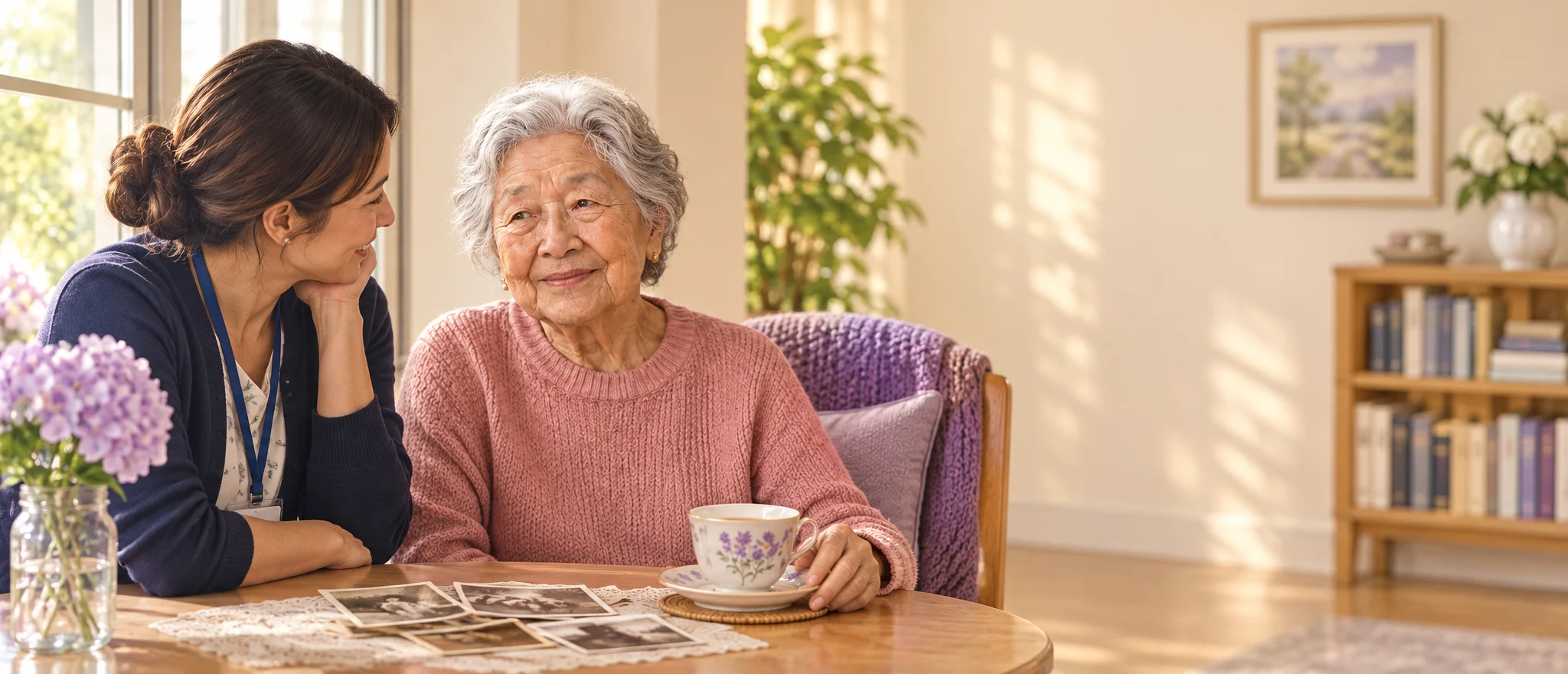
Needs connection today
Connection Board
No group activities this week.
His walking partner moved to memory care.

Eating in her apartment since Sunday.
Ask about her years in the Navy.
What is social isolation in seniors?
Social isolation is having few relationships or little contact with other people. Loneliness is the feeling of being alone or disconnected, even with people nearby. An older adult can be one without the other, and both put health at risk.
Moving into a senior living community doesn't prevent either. Residents live among neighbors, yet loneliness is common in care settings, and the residents most at risk are often the ones who rarely appear on an attendance sheet. Spotting them early takes more than counting who came to bingo.
Definitions from the National Academies of Sciences, Engineering, and Medicine (2020) and the CDC. See sources
Why it matters for resident health
Isolation and loneliness are health risks, not just quality-of-life concerns. Here is what the research says.
24%
of Americans 65 and older who live in the community are considered socially isolated.
National Academies, 202043%
of adults 60 and older report feeling lonely.
National Academies, 202050%
higher risk of dementia is associated with social isolation.
National Academies, 2020; U.S. Surgeon General, 202361%
of care home residents had at least moderate loneliness, and 35% severe loneliness, across 13 studies.
Gardiner et al., Age and Ageing, 2020
Poor social relationships are also linked to a 29% higher risk of heart disease and a 32% higher risk of stroke. The 2024 Lancet Commission lists social isolation in later life among 14 modifiable risk factors for dementia.
The care home figure pools studies that were mostly outside the US and varied widely, so treat it as a signal, not a census.
Why attendance misses many residents
Attendance shows who came. It can't show who stopped coming, who never started, or who had a good conversation at their apartment door.
The attendance sheet
The regulars show up. Everyone else is a blank.





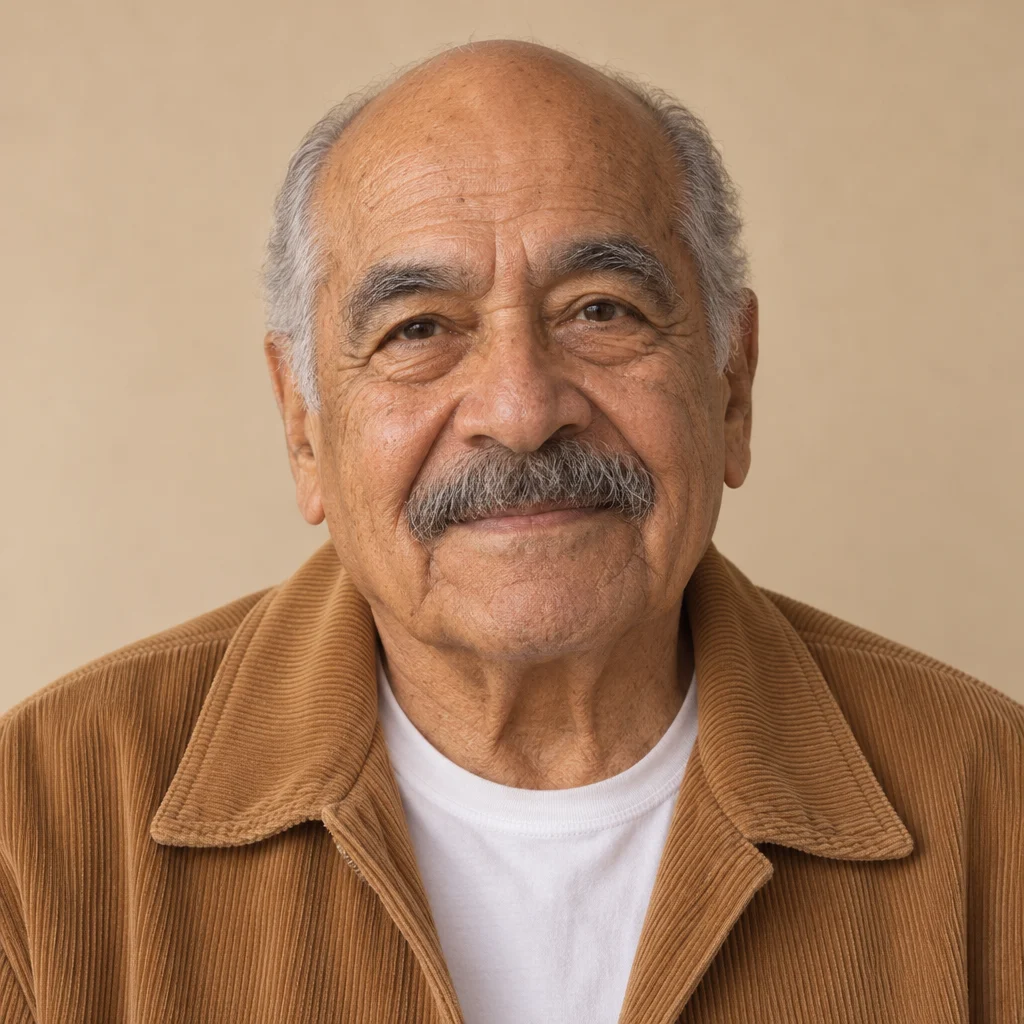



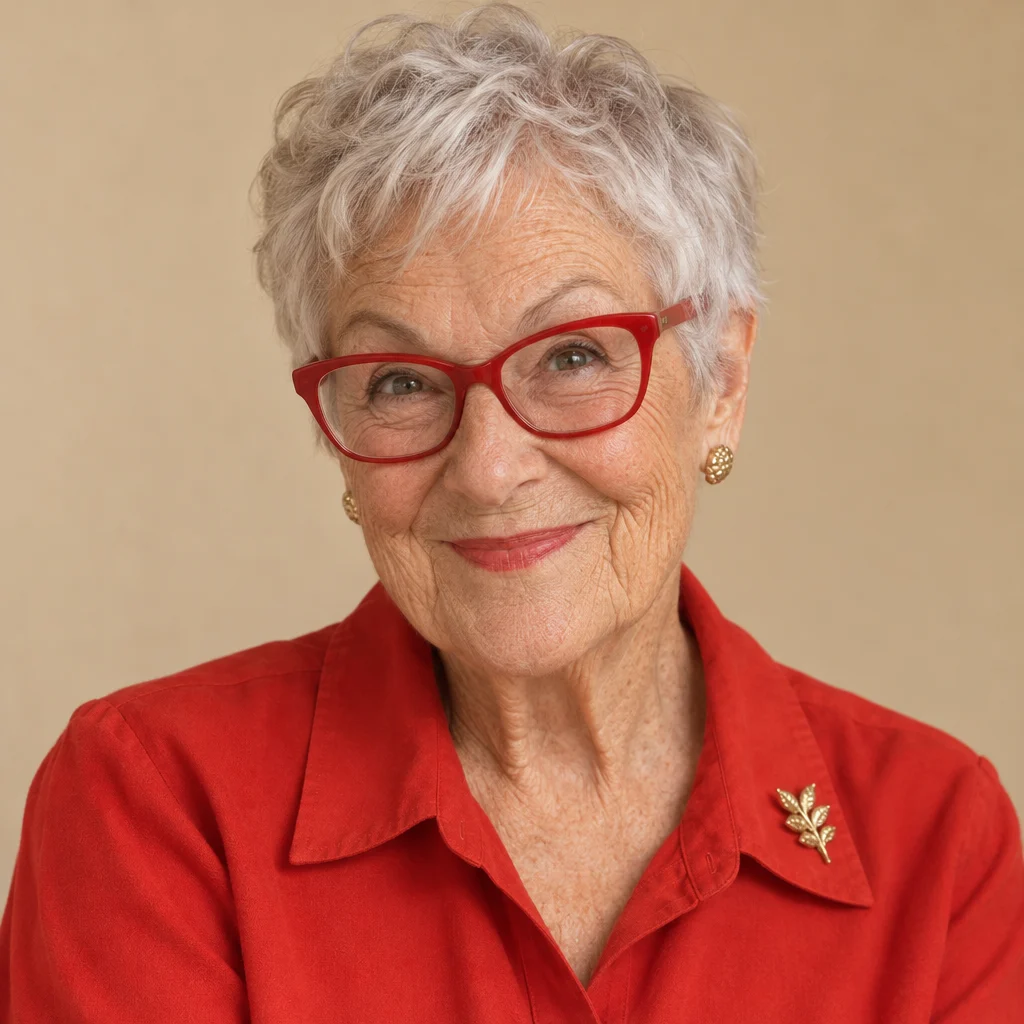



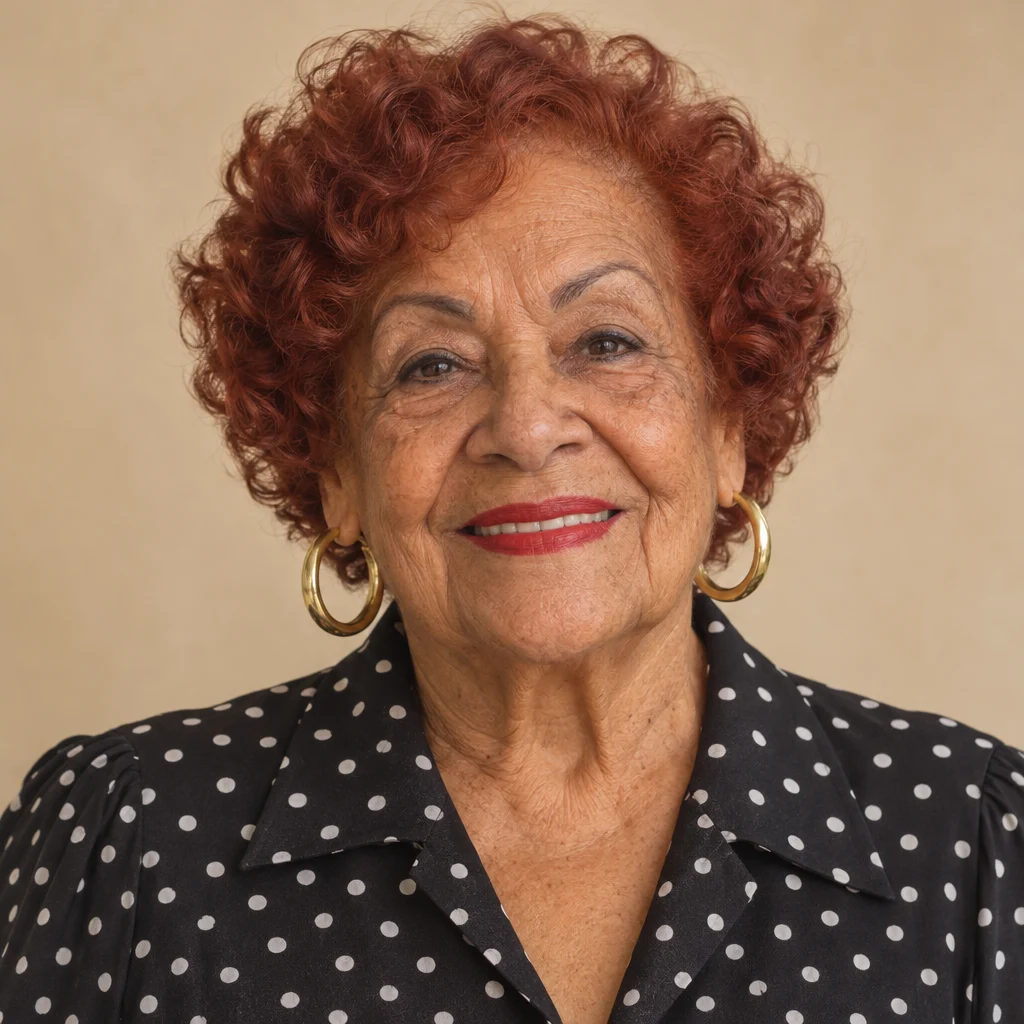

Five residents attended most programs. The sheet says nothing about the other fifteen.
A connection view
Everyone shows up, with who needs you today and why.
Stopped coming to the morning walk.
His walking partner moved to memory care.

Taking meals in his room this week.
His late wife's birthday is Friday.
Quieter since her hearing aid broke.
Ask about her years in the Navy.
Illustration with made-up sample residents.
21%
of offered activities is what assisted living residents attended in a week, on average.
Plys and Qualls, 2020 (202 residents, 21 communities)15%
of residents in the same study attended no programmed activities that week.
Plys and Qualls, 202052%
of communities that track attendance at every activity still call their measurement weak.
2026 State of Resident Engagement Intelligence Report
Many life enrichment leaders call this the 80/20 problem. Attendance tells you a lot about the residents who come to most things, and little about the many who join a few group events a week or a month. Some of those residents simply prefer quiet time and one-on-one visits. That's a preference, not a problem, and it's exactly why you need to know each person.
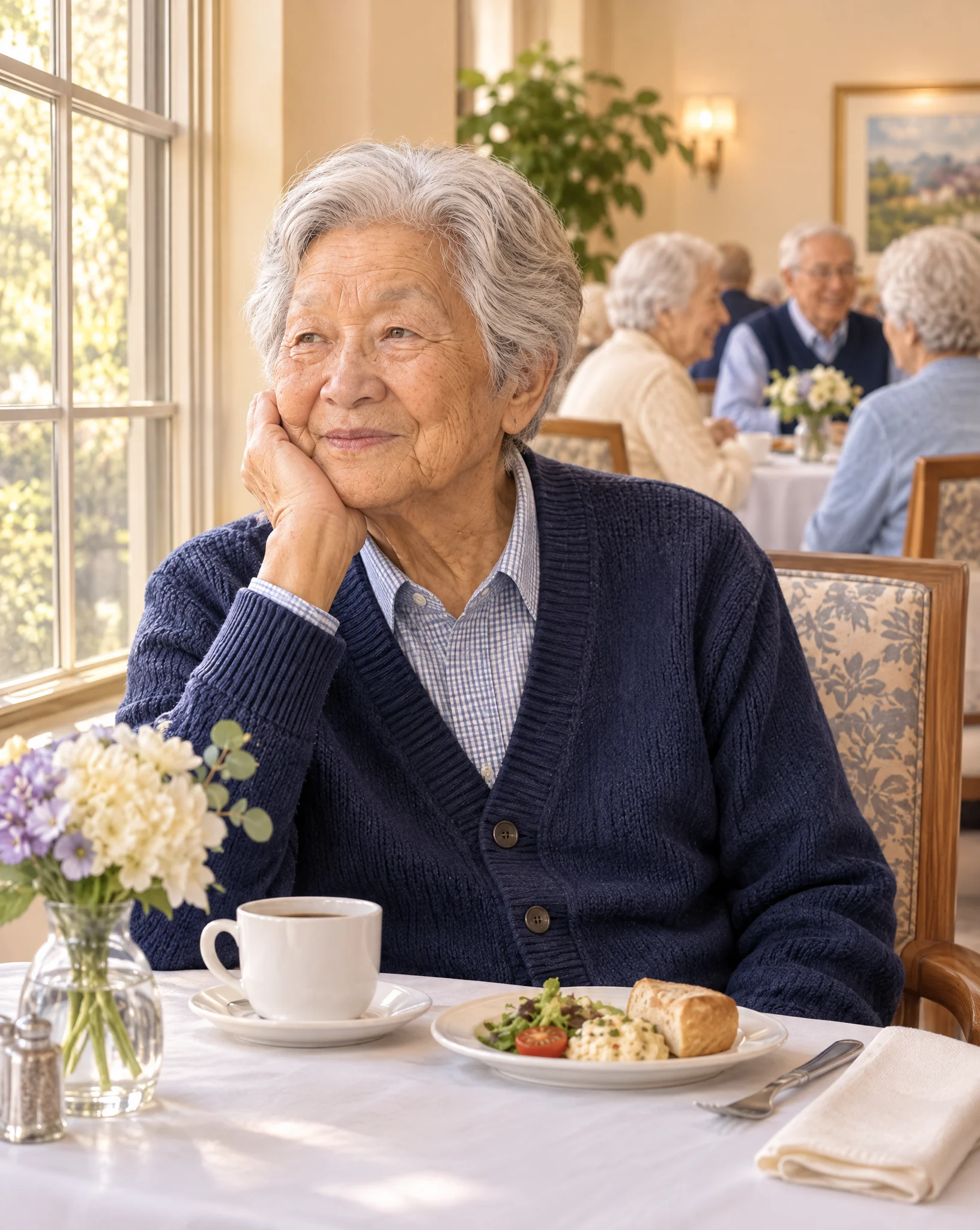
Warning signs of isolation in senior living
Isolation rarely announces itself. Look for changes against each resident's own normal, not against the most social people in the building.
Pulling back from favorites
Someone who never missed chair yoga stops coming. A drop from a resident's usual pattern matters more than a low number.
Eating alone
Meals are one of the day's main social moments. Room trays, skipped meals and the same empty seat are early clues.
Staying in more
New routines, like returning to the apartment right after breakfast, often show up before anyone says they feel lonely.
A shrinking circle
A friend moves to memory care, a spouse dies, family visits less. Each loss can remove a resident's main connection.
Mood changes
Quieter, more irritable, less interested. Small shifts noticed by any staff member are worth writing down.
Hearing and vision changes
When conversation gets hard, people withdraw. The National Institute on Aging lists both among the risk factors.
The first months after move-in
Most residents lived on their own or with family for decades. Joining a community of 100 or more neighbors takes time.
Heavy dates
Anniversaries, birthdays and the date of a loss can bring loneliness to the surface. They are also a reason to stop by.
Risk factors from the National Institute on Aging. Move-in adjustment from McKnight's Senior Living (2026).
What to measure beyond attendance
Track the person, not just the program. The Resident Engagement Intelligence framework, validated with the National Association of Activity Professionals (NAAP) and Dr. Rob Winningham, names six signals your community already produces.
Participation
How often someone joins in, which way it's trending, and sudden drops.
Social
Who residents spend time with, and whether their circle is growing or shrinking.
Mood
Emotional wellbeing over time. Small shifts can show withdrawal early.
Life Story
Career, hobbies, family. Who someone is beyond a room number.
Life Events
Anniversaries, losses and transitions that carry weight.
Behavioral
Changes in routine and things residents say that may point to an unmet need.
Count 1:1 visits as engagement too. They fill much of a staff member's day and disappear in an attendance-only system.
See how REIS worksAsk residents directly
The Three-Item Loneliness Scale is short enough for a hallway conversation or a quarterly check-in.
- How often do you feel that you lack companionship?
- How often do you feel left out?
- How often do you feel isolated from others?
Answers: hardly ever (1), some of the time (2), often (3). Higher totals mean more loneliness.
Hughes et al., Research on Aging, 2004How a connection score helps
Quiltt's Connection Board gives every resident a connection score and shows who needs connection and why, including residents who skip group events.
It starts with people
Your team opens the day to who needs them, not to what's on the calendar.
It sees quiet residents
1:1 visits, mood notes and life events count, so residents who skip group events still show up.
It says why, and how to start
Each card gives the reason and a conversation starter drawn from the resident's life story.
It gives leaders the roll-up
Utilization metrics and KPIs show engagement across the whole community.
The Connection Board is included in Quiltt Pro and Enterprise.
See the Connection BoardConnection Board
Taking meals in his room this week.
His late wife's birthday is Friday.
Quieter at meals since Sunday.
Ask about her years in the Navy.

Had a 1:1 with Ana yesterday.
Start with:
Bring Eugene a coffee and ask about the trips he and his wife took.
What to do this month
Reducing isolation is a team habit, not a program. Here is where each leader can start.

For executive directors
- Get a baseline
Take the free Benchmark. It scores your community from 0 to 100 in about 3 minutes.
- Put it on the agenda
Review who needs connection at stand-up, the same way you review falls and move-ins.
- Give every department a role
Dining, housekeeping and care staff see residents daily. A shared view lets anyone log what they notice.
For life enrichment leaders
- Learn each resident's story
Capture interests, history and key dates at move-in, so outreach starts from something real.
- Watch for drops
Compare each resident with their own usual pattern, not with the regulars.
- Log every 1:1
Five minutes at someone's door is engagement. Record it so the whole team can see it.
Questions about social isolation in seniors
What is the difference between social isolation and loneliness?
Social isolation is the objective state of having few relationships or infrequent contact with others. Loneliness is the feeling of being alone or disconnected, even when other people are around. A senior can be isolated without feeling lonely, or lonely while surrounded by people, and both are linked to health risks.
How common is social isolation in seniors?
The National Academies (2020) report that about 24% of Americans aged 65 and older who live in the community are considered socially isolated, and 43% of adults aged 60 and older report feeling lonely.
Can residents of senior living communities be socially isolated?
Yes. Living among neighbors does not guarantee connection. A 2020 review of 13 studies of residential and nursing care homes estimated that 61% of residents had at least moderate loneliness and 35% had severe loneliness, though estimates varied widely and most studies came from outside the US.
What are the warning signs of social isolation in older adults?
Common signs in senior living include pulling back from activities a resident used to enjoy, eating alone or skipping the dining room, staying in the apartment more, a shrinking circle after a friend moves or dies, mood changes, and new trouble with hearing or vision. The first months after move-in and emotionally heavy dates also carry more risk.
What are the health effects of social isolation in seniors?
According to the National Academies, social isolation is associated with about a 50% higher risk of dementia and a higher risk of early death from all causes, and poor social relationships are associated with a 29% higher risk of heart disease and a 32% higher risk of stroke. The 2024 Lancet Commission lists social isolation in later life among 14 modifiable risk factors for dementia.
Why isn't activity attendance enough to measure resident engagement?
Attendance shows who comes to group programs, not who is connected. In one study of 21 assisted living communities, residents attended about 21% of offered activities on average and 15% attended none in a given week. Attendance also misses 1:1 visits and residents who simply prefer quieter time.
How can senior living communities measure loneliness?
Ask residents directly with a short validated tool such as the Three-Item Loneliness Scale, which asks how often someone feels they lack companionship, feel left out, and feel isolated from others. Pair it with everyday signals: participation trends, social ties, mood, life story, life events, and changes in routine.
What software helps senior living communities identify residents at risk of social isolation?
Quiltt's Connection Board gives every resident a connection score and shows who needs connection and why, including residents who skip group events. It is built on the Resident Engagement Intelligence System (REIS), whose framework was validated with the National Association of Activity Professionals (NAAP) and Dr. Rob Winningham, and it is included in Quiltt Pro and Enterprise.
How do I know where my community stands?
Take the free Resident Engagement Intelligence Benchmark. It takes about 3 minutes and scores your community from 0 to 100, with a breakdown of where you are strong and where the biggest opportunities are.
Keep reading
- Resident Engagement Intelligence BenchmarkScore how well your community sees every resident, free, in about 3 minutes.
- What is REIS?The framework behind the six signals, validated with NAAP and Dr. Rob Winningham.
- The Connection BoardA connection score for every resident, and who needs you today.
- The 2026 State of Resident Engagement Intelligence ReportWhat communities told us about noticing and responding to isolation.
- Social connection signalsThe hidden indicator of resident wellbeing.
- Addressing resident lonelinessStrategies for improving social engagement.
Sources
CDC (2024). Health Effects of Social Isolation and Loneliness.
U.S. Surgeon General (2023). Advisory on the epidemic of loneliness and isolation.
National Institute on Aging. Loneliness and Social Isolation: Tips for Staying Connected.
National Association of Activity Professionals (NAAP). What is Resident Engagement Intelligence?
How well does your community see every resident?
Take the free Benchmark for a 0 to 100 score in about 3 minutes. Or try Quiltt Pro free for 14 days.